

How to Photograph Misty Countryside Mornings on a Phone
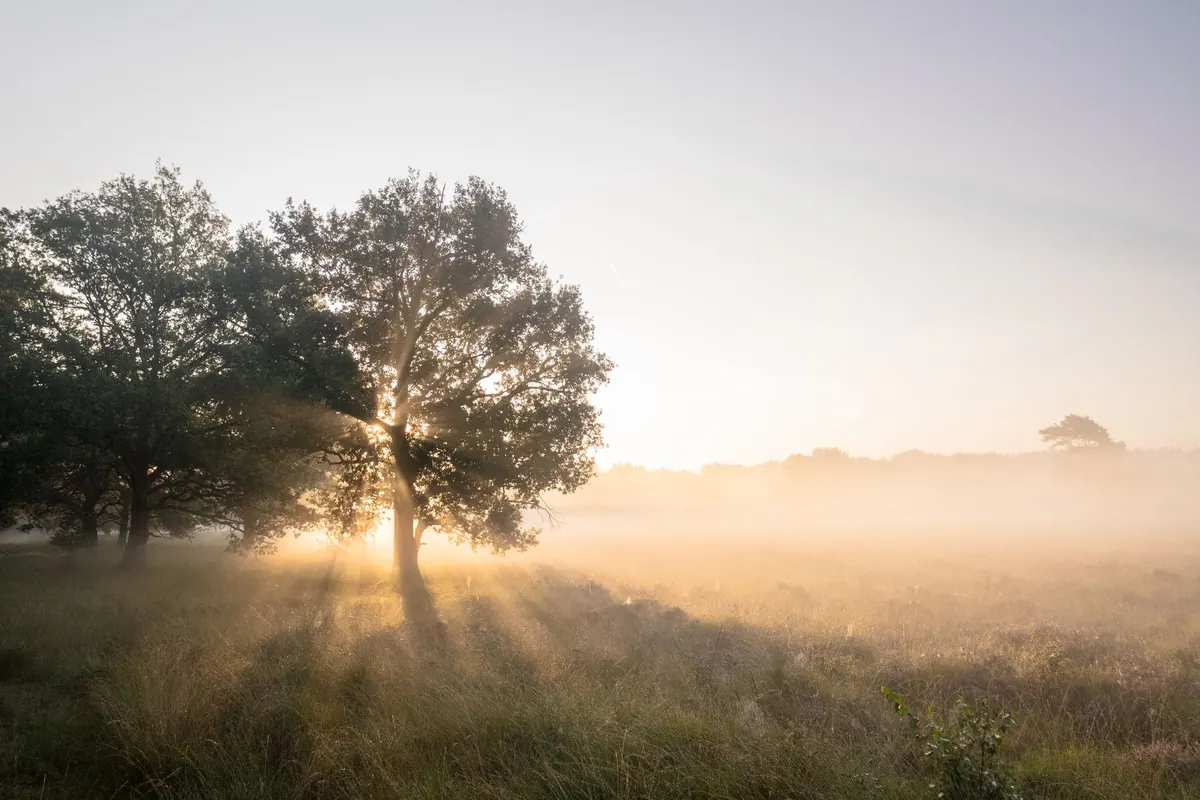
Mist does not wait. On the right morning it lies across the fields like something poured, softening every hedge and fence post, and then within forty minutes it is gone. The good news is that you do not need a bag of expensive glass to catch it. A modern phone, a little planning and a warm coat will get you most of the way there. What follows is the practical version: when to go, how to set up, and how to frame a scene so the mist reads as atmosphere rather than grey mush.
Know when mist is likely
Mist forms when the air cools to the point where it can no longer hold its moisture, and the countryside gives you several advantages here. Valleys, hollows, river banks and the edges of ponds all collect cold air overnight, which is why the lowest ground is usually thickest. Clear skies and light wind are your friends: cloud traps warmth, and a stiff breeze stirs the mist away before it settles.
So the recipe is straightforward. A clear night after a warmish day, little or no wind, and a forecast that suggests a cool dawn. Check the overnight temperature and the wind speed the evening before, and if both look promising, set the alarm. Mist is at its best in the half hour around sunrise and often lingers for an hour or so after, thinning from the top down as the sun lifts.
Autumn is the classic season, with spring a close second. High summer rarely delivers, and hard winter mornings can be beautiful but bitterly cold. If you only get out a handful of times a year, aim for late September through November.
Phone settings that actually matter
The default camera app is fine. You do not need to download anything, but you do need to take a little control rather than pressing the shutter and hoping.
- Tap to focus, then drag the exposure slider. Tap on the brightest part of the mist, then slide the sun icon down slightly until the whites hold their shape instead of blowing out. This single habit makes more difference than any other.
- Turn HDR on. It helps hold detail in both the pale sky and the darker hedgerows. If your phone has a setting for keeping HDR photos rather than discarding them, leave it on.
- Stay off digital zoom. Pinching in crops the image and softens it. Use your feet, or the main lens, and crop later if you must.
- Switch off the flash. It bounces off water droplets and turns the mist into a wall of white dots. It also flattens everything you were trying to photograph.
- Try portrait mode on a single tree. It separates a lone subject from the background nicely, though the edges can look odd around thin branches, so check before you trust it.
- Wipe the lens. Mist means moisture, and a smeared lens turns every highlight into a soft smear. A microfibre cloth in your pocket is essential kit.
If your phone has a night mode, leave it alone in daylight. Long exposures in bright mist will simply blur anything that moves, and you will lose the crisp detail in the foreground that gives the picture depth.
Shoot in raw if you can
Many phones now offer a raw or ProRaw option, often buried in settings. Raw files hold more information in the bright, hazy areas, which gives you room to lift shadows and calm the highlights later. If raw feels like too much fuss, a standard JPEG shot with the exposure nudged down will still look lovely.
Composition: layers, not landscapes
The reason a misty field can look flat and dull is that everything sits at the same distance from the camera. Mist rewards depth. Look for a dark foreground element, a middle distance, and shapes fading into the background.
A lone oak in a field, a gate half swallowed by haze, a line of fence posts running away from you: these give the eye something to hold while the mist does its work behind. Get low, close to wet grass or stubble, and let the foreground run along the bottom of the frame. The camera on the ground sees more than the camera at eye level.
Watch your horizon. Placing it high makes the most of textured ground, while placing it low gives you a wide band of pale sky and a quieter, more graphic image. Both work; decide which one the scene is asking for. Puddles, wet lanes and dew-covered surfaces all reflect light and add a second layer of interest.
Colour and mood
Misty mornings are naturally cool, so resist the urge to warm everything up. A little blue in the shadows is honest and atmospheric. If the sun breaks through, you may get a few minutes of pink or gold light catching the top of the mist, so keep an eye behind you as well as ahead. Turn around occasionally; the best frame is often the one you walked past.
Small edits, done gently
Edit on the phone if that is easiest, and keep it simple. Lift the shadows a touch so the trees have some detail, pull back the highlights so the mist stays luminous rather than pure white, and add a little contrast. If your editing app has a dehaze or clarity slider, use it in the opposite direction to the one you would expect: a small amount of negative clarity softens the scene and suits the mood.
Leave the saturation roughly where it is. Heavy vignettes and aggressive sharpening will make the image look processed rather than peaceful, which rather defeats the point of getting up early.
Practicalities for a cold, damp start
Dress for standing still, not walking. Two thin layers beat one thick one, and gloves that let you tap a screen are worth hunting down. Cold drains phone batteries faster than you would think, so keep the handset in an inside pocket until you need it. Tell someone where you are going if you are heading out alone in the half-light, and take a torch.
Stay on public footpaths and bridleways, leave gates as you find them, and keep a wide berth from livestock, especially cows with calves. Wet grass on a slope is genuinely slippery, and the edge of a riverbank in fog is no place to be careless. When you get home, dry the phone properly and back the photographs up before you start editing, so a good morning's work is not sitting on a single device.
Then make a cup of tea, look through what you caught, and put the next likely morning in the diary. Mist is generous like that: once you know what to look for, the countryside will offer you plenty of chances.
Photo: Matthias Groeneveld / Pexels