


Log Burner Mistakes to Avoid: A Checklist for First-Time Rural Homeowners
Somewhere between the second and third cold snap of your first rural winter, the romance of a wood burner wears thin. The glass is black, the room smells faintly of smoke, and there is a plastic bag of ash sitting on the hearth because nobody knew where else to put it. None of this is unusual, and most of it is easy to avoid.
A stove is a simple machine, but it rewards attention. Get the fuel, air and maintenance roughly right and it will heat a room all evening on two or three logs. Get them wrong and you will spend money on fuel that vanishes up the chimney, plus a Saturday scrubbing glass you cannot see through. Work through the points below before the weather turns.
Fuel: The Mistake That Shows Up on the Glass
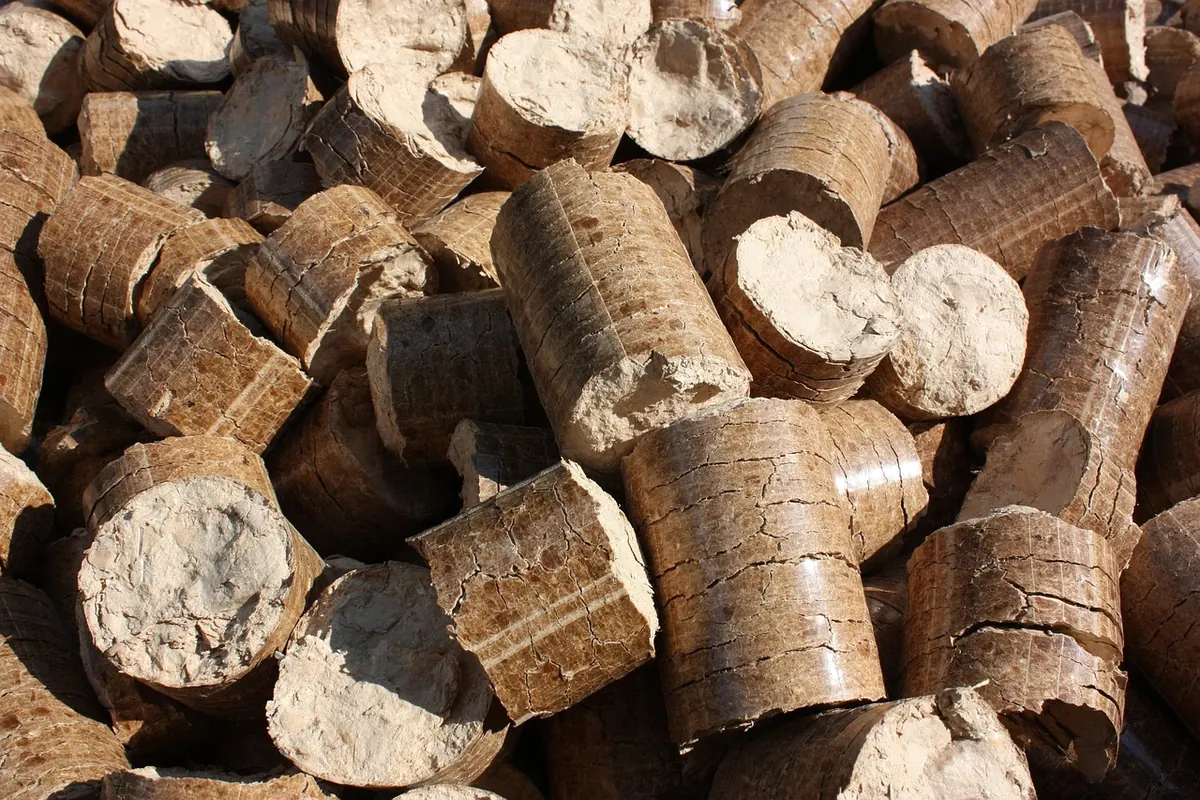
Almost every fault you will blame on the stove begins in the woodpile. Wet or unseasoned wood burns badly because most of its energy is spent boiling off water rather than warming the room. The steam also carries tar into a flue that never gets hot enough to cope with it, which is how you end up with a blackened door, a smoky smell in the hallway and a chimney that needs attention twice as often.
Split a log and test the freshly exposed face with a moisture meter before you buy it by the trailer load. Anything under about 20 per cent moisture is ready to burn. Above that, it goes back on the stack: hardwood usually needs a year or more, softwood rather less. Store it off the ground, under cover but open to the wind on at least one side.
Then there are the things that should never go into a wood burner at all, however tempting they look on a cold evening.
Keep these out of the stove
- Treated, painted or varnished timber. Preservatives and finishes release unpleasant fumes and can damage the flue.
- Chipboard, MDF and plywood. Glues and binders make them unsuitable as fuel.
- Household rubbish. Plastic, glossy paper and coated card burn hot and dirty.
- Coal or smokeless fuel in a stove designed only for wood. Multi-fuel stoves are a different animal, and some fuels are restricted depending on where you live.
- Driftwood or scrap timber unless you know exactly where it has been. Salt and old fixings are not worth the risk.
Lighting It Properly — and Letting It Burn Hot
The single biggest running error is shutting the stove down too early. A smouldering fire produces less heat, more smoke and far more deposits in the flue than a bright one. If you want overnight burn, the answer is a well-insulated stove loaded correctly, not a damped-down fire that smokes for eight hours.
Try the top-down method: two larger logs on the grate, smaller splits criss-crossed on top, then kindling and a natural firelighter on the very top. Leave the air controls open, light it, and let the flue warm through for ten or fifteen minutes. The stove should look like a fire, not a pile of logs gently steaming.
The two air controls
Most stoves have a primary control, usually underneath or low on the door, and a secondary control above it. The primary feeds air from below the fuel and is mainly for starting. The secondary feeds the airwash that keeps the glass clear and burns off gases above the fire. Close the primary once the fire is established, then reduce the secondary gradually. Do not close both to almost nothing and walk away.
Ventilation and the Chimney You Cannot See
A stove needs air, and a modern sealed house with an extractor fan running in the kitchen can starve one. Symptoms include smoke drifting back into the room, a fire that dies when a door is opened, and a faint headache-inducing stuffiness. A permanent air vent may be the fix, and an installer can advise whether one is required.
Downdraught is another classic rural problem. Chimneys that are too short, or that sit below trees, hills or a neighbouring roofline, can struggle to pull properly when the wind shifts. A cowl or an extended flue sometimes solves it. So does a sweep, particularly if birds have been nesting or the previous owner never used the stove.
If you live in a smoke control area, check with the local council before installing or using a stove. Exempt appliances and authorised fuels exist for exactly this reason, and doing the research first saves a difficult conversation later.
Safety Habits Worth Making Boring
Fit an audible carbon monoxide alarm in the same room as the stove, test it weekly, and replace it as the manufacturer advises. Fit working smoke alarms elsewhere in the house. Keep curtains, furniture, logs and kindling well clear of the stove, and remember that a hot stove door stays hot long after the flames have died.
Ash deserves its own rule. Put it straight into a metal container with a lid, take it outside, and leave it on stone or concrete away from anything combustible. Embers can stay live for a day or more. Never vacuum warm ash, and never tip it into a plastic bin.
Solid fuel is one area where guesswork is expensive. If you are uncertain about the flue, clearances or ventilation, have a qualified installer or chimney engineer look at it rather than experimenting. Gas and oil are not the only fuels with rules attached.
The Yearly Rhythm of Maintenance
Book a chimney sweep before autumn, when diaries fill up quickly. Regular use usually means an annual sweep, and burning softwood, resinous wood or running the stove low may mean more often than that. While the sweep is there, ask them to check the baffle plate, firebricks and door seals.
Between visits, keep an eye on the rope seal around the door. If it is flattened, frayed or dropping off, the stove will draw air where it should not and burn unevenly. Worn seals are cheap to replace and straightforward on most models. Glass that cracks, a baffle plate that has warped, or a rusty patch in summer damp all deserve attention before the next season rather than during it.
Installation Errors That Cost the Most
An oversized stove in a small room is a common wrong turn. If the stove is too powerful, you will run it low and dirty to avoid roasting the room, which is exactly the habit that clogs flues. Match the output to the space, insulation and how you actually live. Some rural homes are draughty and need more; a well-insulated cottage needs far less than its size suggests.
Beyond that, check the boring details: correct distance from combustible walls, a hearth of adequate size, a properly lined flue, and notification to building control where solid fuel work requires it. An old open fireplace that has never been lined is not automatically suitable for a stove, whatever the previous owner says.
A Simple Checklist Before You Strike a Match
- Wood tested under about 20 per cent moisture, stored dry and off the ground.
- Carbon monoxide alarm fitted, tested and in date.
- Chimney swept within the last year, or sooner if the stove has been used heavily.
- Door seals, glass and baffle plate checked.
- Air controls moving freely, primary and secondary both understood.
- Ash container metal, lidded and kept outside.
- Nothing combustible within the stove's clearance zone.
- Ventilation unobstructed, especially in a sealed or recently insulated house.
Run through that list in October and you will spend the winter enjoying the stove instead of fighting it. The stove is not the problem, and neither is the wood. It is nearly always the handful of habits around them — and those are the easiest things in the world to change.
Photo: moses / Pixabay