


A Beginner's Guide to Identifying Common UK Hedgerow Berries (and Which to Avoid)
There is a fortnight in late summer when a good hedgerow stops being scenery and starts being a larder. Sloes turn from green to inky blue, elderberries hang in heavy, drooping clumps, and the first blackberries fatten along the brambles. Standing at the gate with a tub, it all looks simple enough. It isn't. The same hedge holds berries that will have you doubled over with stomach cramps and a few that can do far worse, and they often grow within arm's reach of the ones you came for.
None of this is meant to put you off. It is meant to slow you down, because the difference between a lovely afternoon and a trip to A&E is usually just a willingness to look properly before you pick.
Identify the plant, not the berry
Berries are the worst possible part of a plant to identify from. Most are small, round and either red or black, and their colour shifts with ripeness, shade and soil. The opposite is true of leaves, stems, bark, flowers and the shape the plant grows in.
So build the habit of identifying the whole thing. A useful discipline is what foragers call the rule of three: find three separate features that all point to the same species before anything goes in your basket. Elderberry, for instance, has pinnate leaves with saw-edged leaflets, soft corky bark on older wood, and flat-topped creamy flower heads in June that hang down under their own weight as heavy purple berries in September. "Black berries in a clump" gets you nowhere; it describes elder, privet, ivy and deadly nightshade.
Get in the habit of looking up as well as down. Are you in a churchyard, a wet ditch, a hedge on chalk, a garden boundary? Site and habit are evidence, and they narrow the field quickly.
Six hedgerow berries worth learning first
- Blackberry. The easiest start. An aggregate of small juicy segments on a thorny arching bramble, ripe from August into October. No dangerous lookalike in the UK, though the berries of some related brambles are drier and duller.
- Elderberry. Drooping umbels of small, glossy black-purple berries on a shrub or small tree with pinnate leaves. Cook them — the raw berries, seeds, stems and leaves are not something to eat. Strip the berries from the stems with a fork and discard everything green.
- Sloe. The fruit of blackthorn: blue-black, round, dusted with a pale bloom, with a single stone and a mouth-puckering sourness. The branches are genuinely vicious and carry small white flowers in early spring before the leaves.
- Hawthorn haws. Deep red, oval, each with one or two stones, on a thorny shrub with deeply lobed leaves. Mealy and bland raw, excellent as jelly.
- Rosehips. Bright red or orange, often oval, on a bush of thorny stems and toothed leaves. Use them for syrup, but strain well — the fine hairs inside are an irritant.
- Rowan. Clusters of small orange-red berries on a tree with pinnate leaves and pale, speckled bark. Best cooked; raw they can upset the stomach.
Lookalikes that catch people out
Red and orange berries
The commonest dangerous confusion is between yew and everything else red. Yew berries are not true berries at all: they are fleshy red cups, each holding a single dark seed you can often see at the open end. The seed is seriously poisonous, and so are the leaves and bark. Yew has dark, flat needles on woody stems and turns up in churchyards, old hedges and boundary plantings. Do not forage from a yew. Not one, not ever, not after reading a blog post that says the flesh is harmless.
Rowan and rosehips are the safe red options, but check the leaves and the growth habit before you commit. Guelder rose, with its translucent red berries and maple-like three-lobed leaves, is best left alone raw; it can cause stomach upset.
Black and blue berries
Here the stakes rise. Elderberry has drooping umbels on a shrub or tree; dwarf elder, which grows lower and herbaceous with upright flower clusters, is not a substitute. Ivy carries black berries in winter clusters on a climbing evergreen — not food. Privet, a common hedging shrub, has glossy black berries that are toxic. Deadly nightshade, rare but present on chalky ground and in scrub, has dull black berries and dull purple-brown bell flowers.
Among the climbers, both black bryony and white bryony produce bright red autumn berries and are toxic. If what you are looking at is climbing with tendrils or twining stems, leave it.
Berries to avoid entirely
- Yew — red fleshy cups with a dark seed
- Deadly nightshade and woody nightshade (bittersweet) — black and red berries respectively
- Ivy and privet — black berries
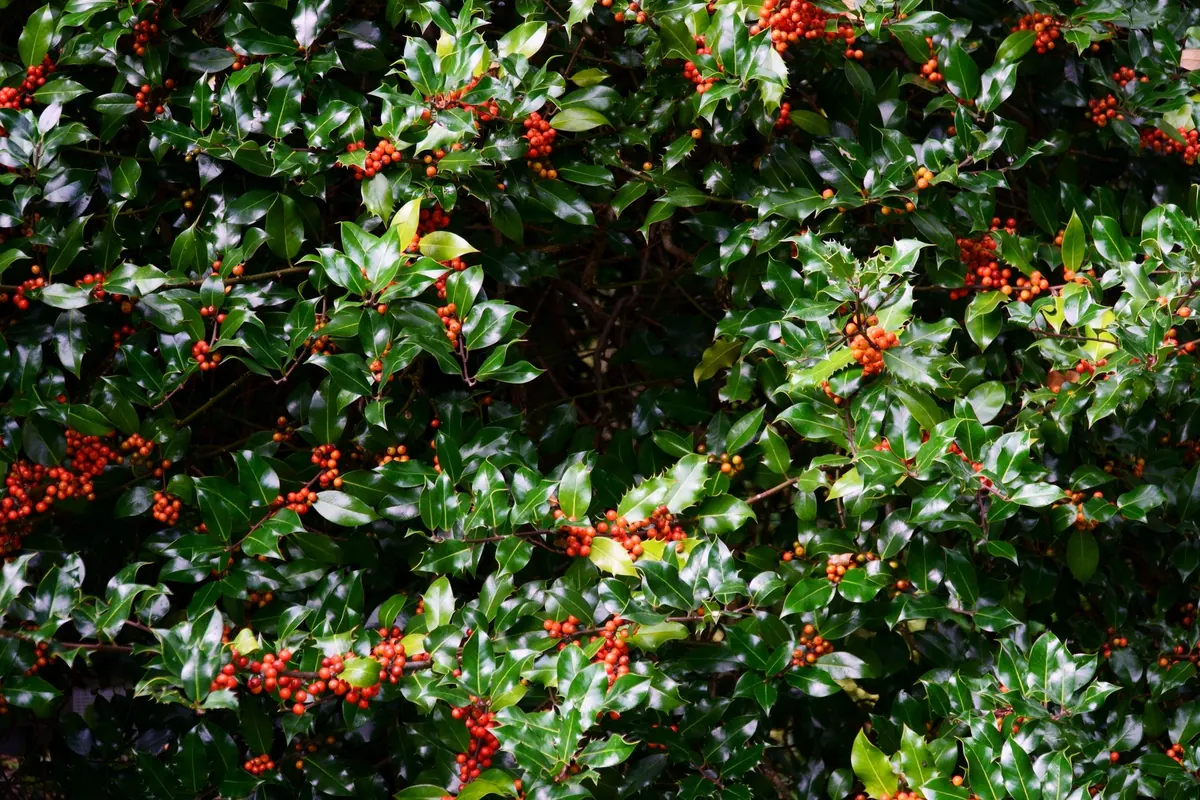
- Holly — red berries, toxic to people
- Lords-and-ladies (cuckoo pint) — a spike of red berries in autumn
- Black and white bryony — red climbing berries
- Spindle — pink capsules opening to reveal orange seeds
Rules that keep you safe
- Only pick what you can identify with complete certainty. Very nearly certain is not enough. If you have to talk yourself into it, walk away.
- Never taste-test to check. A nibble is how people end up ill. Identification happens before picking, not after.
- Ignore folklore. "Birds eat it, so it must be fine" is nonsense — birds and mammals process different compounds differently, and birds eat yew and ivy berries happily.
- Pick above knee height. Anything lower may have been visited by dogs, and it is often grubby.
- Choose your sites. Skip busy roadside verges, field margins beside sprayed crops, railway land and nature reserves. On private land, ask the landowner. Never uproot a plant, and take only a share, leaving plenty for wildlife.
- Cook what needs cooking, and wash what you don't. Elderberries and rowan in particular should be cooked thoroughly, with stems removed.
If there is any doubt about something already eaten — particularly where a child is involved — seek medical advice promptly. In the UK, NHS 111 can advise, and urgent symptoms mean 999. Take a photograph of the plant, or a sample in a bag, so a professional can identify it.
Start with one berry this season
Pick a single species and learn it properly. Spend a Saturday getting to know elderberry or blackberries across three or four different hedges, in different light, at different stages of ripeness. Photograph the leaves, the bark and the flower heads, and write the date and place in your notebook. By next autumn you will know it the way you know a friend's face, and that certainty is worth far more than a full basket.
Photo: Budget Bizar / Pexels